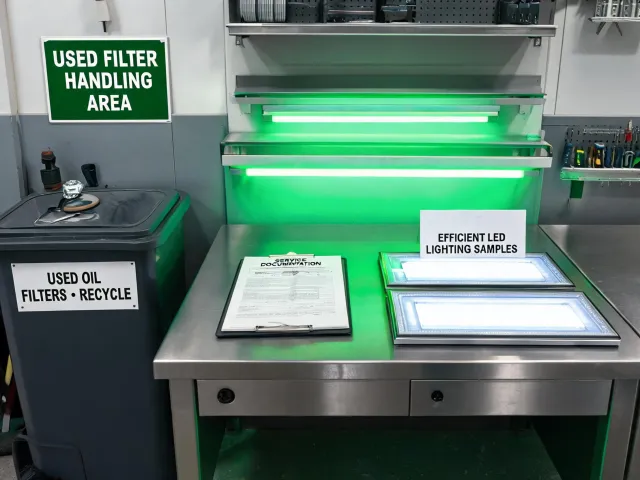
Better decisions start with less uncertainty
For Philips, sustainability in parts selection begins with helping teams order the right item, document the application clearly, and reduce avoidable returns caused by vague fitment data.
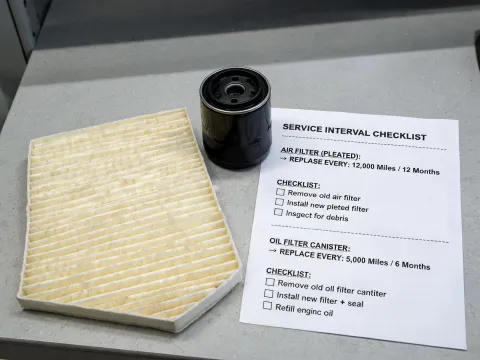
Automotive Lighting and Filters have different environmental and operational implications, yet both categories benefit from a disciplined ordering process. A lighting request that captures the correct position, bulb family, and OE reference is less likely to travel through a return loop. A filter request that clarifies media role, service interval, and vehicle context is less likely to be reordered because the first request was incomplete. Philips treats that information quality as part of responsible supply.
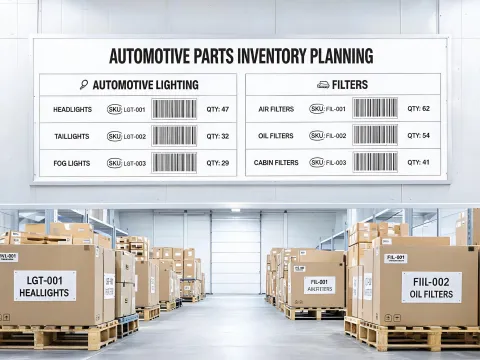
The approach also helps distributors manage inventory conversations. When product notes explain what a buyer should verify, fewer items are pulled from stock for uncertain applications. This can support better shelf planning for regional parts distributors and e-commerce catalog managers who must balance availability, buyer expectations, and service speed. The value is not only in the product itself, but in the decision path around the product.
Compliance references are used carefully. CARB / EPA compliance may apply to emissions-related parts, IATF 16949 relates to quality management in production, and REACH or RoHS language should be confirmed for the item under discussion. Philips keeps these notes visible as documentation prompts rather than loose claims, encouraging teams to ask for the proof that fits the product family.
Practical ways to reduce wasted steps

Reduce uncertainty before the order moves.
Send the application details and documentation priorities so Philips can help shape a cleaner quote path.