Fitment guidance for Automotive Lighting and Filters Application notes, quote support, and distributor-ready documentation
Fitment Guide

A clearer route from vehicle need to Philips part request

Fitment work is easier when the buyer, catalog team, and service advisor all use the same evidence. Philips keeps the process focused on vehicle application, product family, and documentation required for a confident quote.

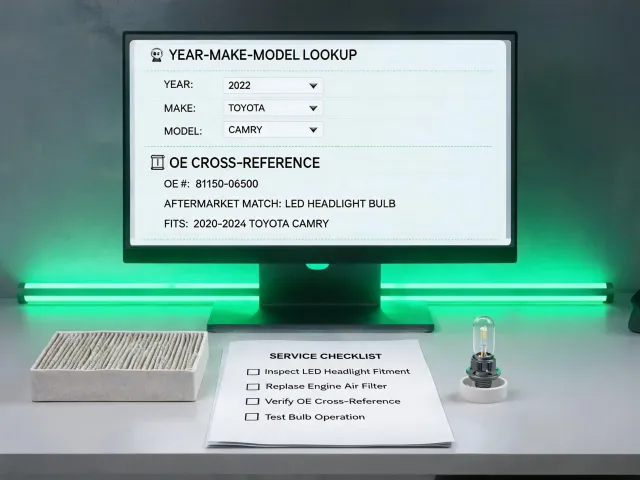
Philips fitment guide workspace

Four checks before the request becomes a quote

01

Identify the vehicle and position

Start with year, make, model, trim if relevant, and the lighting position or filter service role. A headlight bulb request is not the same as a full headlight assembly request, and a cabin filter request should not be blended with an oil filter need.

02

Capture OE or catalog references

Send OE numbers, existing catalog phrases, and any buyer wording that triggered the request. Philips can use those references to separate an application clue from a marketing phrase or unrelated brand navigation term.

03

State the buying workflow

A distributor quote, an e-commerce listing, a warranty claim, and a fleet replenishment order each need different supporting notes. Tell Philips who will use the information after the reply arrives.

04

Confirm documentation priorities

Ask for the evidence that matters to the product family, whether it is application support, quality management context, or compliance language for a specific market. Keep claims attached to the item under review.

For Automotive Lighting, the most useful requests describe where the part is used on the vehicle. Headlight, LED headlight, H11 headlight bulb, H7 headlight bulb, and related phrases can point to different buyer expectations. The Philips response path asks for position, connector or bulb family if available, and whether the buyer is replacing a bulb, selecting an assembly, or building a catalog listing. This keeps the conversation grounded in the job rather than a loose keyword.

For Filters, a useful request describes the service role. Air filter, oil filter, fuel filter, and cabin filter language should be kept separate because each has different evidence and service timing. A repair network may need an advisor-friendly explanation, while an e-commerce catalog may need a concise listing note. Philips guidance helps translate the category into language that a buyer can act on.

The same process supports OEM and OES sourcing teams, regional parts distributors, warranty and service operations, passenger vehicle repair networks, commercial fleet maintenance programs, and e-commerce auto parts catalogs. The audience changes, but the best first step remains the same: make the vehicle need, product family, and decision context visible before a quote is written.
Use the guide, then send the details.

Philips can help your team turn a vehicle application into an Automotive Lighting or Filters request that is easier to quote and explain.